
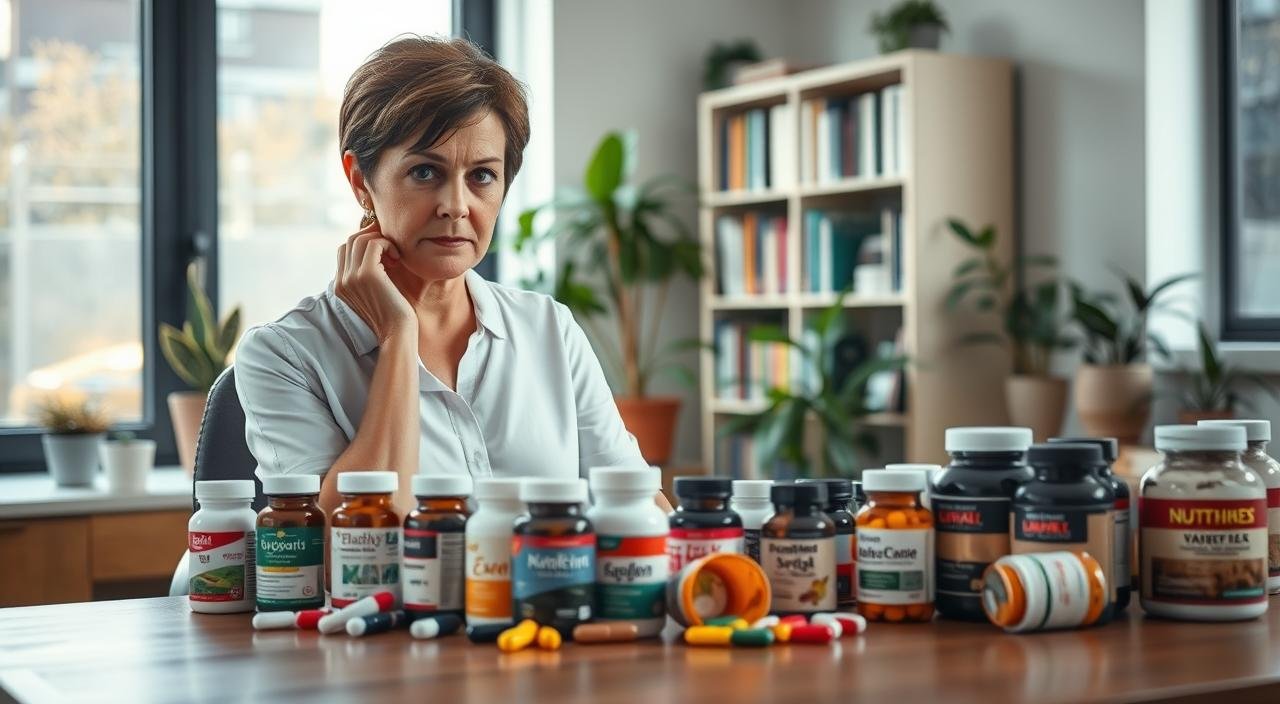
Are Weight Loss Supplements Safe? Unveiled Truth.
Have you ever wondered if a “natural” pill on Instagram could harm your heart or liver?
Many people wonder the same thing. The weight-loss supplement market is expected to reach over $20 billion. You see promises of quick results with little effort everywhere. But are these supplements safe, especially when social media and celebrities promote them without medical checks?
There are real dangers. In July 2017, a 24-year-old mother, Lucero Garza, bought a product on Facebook and died from severe symptoms. Weight loss and related supplements cause tens of thousands of ER visits each year in the U.S. This raises big questions about their safety and the risks of “natural” products.
Traditional systems like Ayurveda and Traditional Chinese Medicine use botanicals for appetite and balance. But commercialization and adding pharmaceuticals like sibutramine or industrial chemicals like DNP have made some products dangerous. You need clear info to understand the benefits, risks, and how to protect yourself.
Key Takeaways
- High demand and social media marketing have expanded the weight-loss supplement market, increasing exposure and potential harm.
- Serious adverse events—including deaths and thousands of ER visits—are linked to some products adulterated with prescription drugs or industrial compounds.
- Not all botanicals are harmless; mislabeling, contamination, and hidden pharmaceuticals undermine safety.
- Understanding weight loss supplements safety means knowing the potential risks of weight loss supplements and when to consult a clinician.
- Public health groups and regulators are pushing for better oversight, but consumer vigilance remains essential.
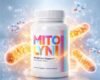
Looking for a weight loss supplement with transparent ingredients and safety-focused positioning?
See how Mitolyn is formulated and whether it aligns with evidence-based guidance.
are weight loss supplements safe
Many wonder if weight loss supplements are safe and which ones are okay. Research shows many products don’t have solid safety or effectiveness data. Some have stimulants or hidden drugs, posing risks without a doctor’s watch.
Summary of current evidence on safety and effectiveness
Most over-the-counter weight loss products have little to no clinical trial data. By July 2024, studies found big differences in product quality and often intentional tampering. Many samples contain hidden ingredients, making claims of safe weight loss pills unreliable.
Why safety varies: formulation, adulteration, and dosing
Safety depends on how a product is made, where it’s sold, and its dosage. Thermogenics and stimulant blends can increase heart rate and blood pressure. Adding sibutramine or phentermine-like compounds turns a natural-looking pill into an unregulated drug, leading to unpredictable interactions.
What the data say about adverse events and ER visits in the U.S.
In the U.S., emergency rooms see thousands of cases linked to weight loss and related supplements each year. These include seizures, heart issues, liver damage, kidney failure, coma, and serious mental health problems. These numbers show the dangers of weight loss supplements and why doctors advise caution.
How supplements are regulated and what that means for your safety
Before you buy or take weight loss supplements, you should know about regulation. Dietary supplements don’t face the same strict rules as prescription drugs. This means there are gaps in safety that you should be aware of.
Difference between FDA-regulated drugs and dietary supplements
Prescription drugs need to pass strict tests before they’re approved by the FDA. But dietary supplements follow different rules. Manufacturers must ensure their products are safe and accurately labeled, but they don’t need FDA approval before selling.
This difference is important for those looking for safe weight loss supplements. Prescription drugs have clear trial data and known dosages. Supplements, on the other hand, might not have the same level of testing, making it harder to know their safety and effectiveness.
Limits of premarket oversight and postmarket enforcement
The FDA mainly acts after problems are found with supplements. This means most enforcement happens after products are already on the market. This delay can lead to the sale of unsafe or mislabeled items.
Experts worldwide are calling for better rules to protect health. Labs use advanced methods to find hidden drugs in supplements. But, the lack of consistent checks and enforcement across regions can affect your safety.
Third-party testing and certification to reduce risk
Choosing supplements that have been tested by third-party organizations can help. Groups like United States Pharmacopeia (USP), NSF International, and ConsumerLab check for safety and purity. Look for these seals and understand what they mean before trusting a product.
While third-party testing doesn’t eliminate all risks, it’s a step in the right direction. For safe weight loss pills, look for products with clear testing results and ingredient lists. Always consult with a healthcare professional for the best advice.
| Aspect | FDA-Regulated Drugs | Dietary Supplements | How Third-Party Testing Helps |
|---|---|---|---|
| Premarket approval | Required after clinical trials | Not required; firms notify FDA postmarket | Provides independent verification of identity and potency |
| Evidence standard | High-quality randomized trials expected | Often limited human data; relies on historical use or lab studies | Documents tested batches and published results when available |
| Adulteration risk | Lower due to strict controls | Higher because some products contain hidden pharmaceuticals | Detects common adulterants and confirms absence of specific drugs |
| Market surveillance | Active with mandatory reporting | Mostly reactive; variable across jurisdictions | Offers routine checks that supplement regulatory gaps |
| What you should look for | FDA labeling and prescribing information | Transparent ingredient list and manufacturer accountability | Recognized seals, certificate of analysis, and batch testing |
Common adulterants and hidden pharmaceuticals found in weight-loss products
It’s important to know what’s hidden in some supplements. Reports and studies show many products have undeclared drugs or synthetic versions. This makes it hard to trust weight loss supplements and choose natural ones safely.
Prevalence of synthetic adulteration and why it matters
Many slimming products are found to be adulterated. A study of 22 studies found a median rate of synthetic adulteration near 37.5%. Sibutramine, which was removed due to heart risks, was often found.
Hidden sibutramine or other prescription drugs can harm your health. If you’re taking certain medications, these hidden ingredients can interact badly.
Unlike many products flagged for hidden drugs, Mitolyn emphasizes ingredient transparency and non-stimulant support.
See the full details before considering any supplement.
Examples of dangerous compounds: DNP, phentermine analogs, stimulants
Regulators have found DNP in some weight-loss products. DNP can cause serious health issues, including organ failure and death. Be cautious of any product promising quick fat loss.
Some products claiming to be natural have tested positive for stimulants. These can increase heart rate and blood pressure, leading to heart problems.
Research findings and meta-analysis results on adulteration rates
Many adulterants are found beyond just stimulants. Researchers have found diuretics, analgesics, and even methamphetamine in various products. Online and informal markets often have higher rates of adulteration.
Health organizations are working to remove tainted products. Knowing about these issues helps you avoid dangerous supplements and choose safer natural options.
Reported health harms and real-world cases
There are documented cases that show the dangers of weight loss supplements. For example, Lucero Garza died after taking Avitia Cobrax. This shows how quickly serious problems like seizures, coma, and death can happen.
Emergency rooms see a lot of cases related to supplements. Studies say over 23,000 people visit ERs each year because of supplements. Many of these cases are linked to weight loss, muscle building, energy, and cleanse products.
Illustrative tragedies and emergency-department data
Reports from emergency rooms show serious problems. These include fast heart rates, high blood pressure, seizures, and changes in mental status. These issues often come from pills that are not what they seem.
Young adults and teens are often affected. They use diet pills without a doctor’s approval. This raises concerns about how to prevent these problems.
Cardiac, hepatic, renal, neurologic, and psychiatric complications
Heart problems like fast heart rates and heart attacks can happen. This is due to stimulants or drugs like sibutramine and phentermine.
Liver damage and acute liver failure can also occur. This is often from herbal products or multi-ingredient supplements. Kidney injury, muscle damage, and imbalances in electrolytes are other risks.
Brain problems range from seizures to coma. Mental health issues include anxiety, trouble sleeping, mood swings, and a higher risk of eating disorders. These issues highlight the need to be careful with weight loss supplements.
Long-term unknowns and the need for follow-up studies
Adulterants in supplements can cause serious harm. These include sibutramine, tramadol, methamphetamine, and antidepressants. They can lead to long-term health problems that may not be immediately apparent.
Experts want more research and ongoing monitoring. Without it, we don’t fully understand the risks of weight loss supplements. This is why it’s crucial to study these products further.
If you have concerns after using a slimming product, get help right away. Also, report it to health professionals. This helps improve safety and understanding of weight loss supplements.
Natural and herbal weight loss supplements: benefits and pitfalls
Many people look for natural weight loss supplements as a gentle option. Plants like green tea and turmeric are used to help with appetite and metabolism. But remember, these supplements should be part of a bigger plan, not the only solution.
If safety matters more to you than quick fixes, take a closer look at a stimulant-light option designed for long-term support.
Instances where traditional botanicals may help within a holistic approach
Studies show that green tea, Garcinia cambogia, and turmeric can help when used with diet and exercise. To see real results, start with healthy habits first. Then, consider supplements as a possible addition. Choose brands that share their research and match the doses used in studies.
Quality problems: mislabeling, contamination, and subtherapeutic dosing
Supplements often don’t match the research. They might be mislabeled, have too little active ingredient, or be contaminated. Some even contain banned drugs to make them seem more effective. This is dangerous and makes them not worth the risk.
Herb–drug interactions and special populations to avoid
Herbs can affect how your body processes medicines. This can make some drugs less effective or even harmful. If you’re pregnant, breastfeeding, have heart or liver issues, or take prescription drugs, talk to a doctor first. They can help you pick safer options.
When buying supplements, look at the ingredients and check for third-party tests. Choose brands that share batch testing and clear dosing information. This way, you’re more likely to find safe and reliable natural weight loss supplements.
Which weight loss supplements have some evidence and which to avoid

When looking for weight loss aids, it’s important to know what works. Some over-the-counter products show small benefits in studies. Prescription drugs, on the other hand, have solid evidence and known risks.
Supplements with limited supportive data
- Green tea extract and caffeine can slightly increase calorie burn. But, the effects are small and not always the same. These are often mentioned when people search for the best weight loss supplements.
- Fiber supplements like glucomannan might help control hunger in short studies. But, they need careful dosing and enough water.
- Protein powders and meal replacements can help with calorie control. They work best as part of a structured diet plan, not as a quick fix.
Proven prescription options
- Prescription drugs, like GLP-1 receptor agonists, have strong evidence and safety checks. View them as proven tools, not like most OTC products.
- Therapy with medication, support, and follow-ups can reduce risks and improve results. It’s a safer approach.
Thermogenics, stimulants, and flagged products
- Thermogenic supplements and stimulant-heavy blends promise quick fat loss. But, they can cause heart problems, high blood pressure, and liver damage. Regulators often warn about these risks.
- Some supplements contain illegal drugs like sibutramine. This drug increases heart risks and was banned. It shows how some products can be dangerous.
- Be cautious of products from unknown sellers or unverified online stores. They might contain harmful ingredients without clear labels.
Weight loss supplements to avoid
- Products that promise “overnight” or “miracle” results. Such claims often hide dangerous ingredients or too much stimulant.
- Supplements with secret formulas or unclear dosages. Lack of information makes it hard to judge safety.
- Products targeting minors or claiming to replace diet and exercise. These are big red flags and often lead to warnings.
Red flags in marketing and labels
- Secret formulas, celebrity endorsements, and promises of quick weight loss without effort.
- Vague ingredient names, no third-party testing, and sellers who won’t share batch testing results.
- Unclear dosing or advice to mix with other stimulants. This increases the risk of bad side effects.
Consider the benefits and risks of each option. Choose products backed by evidence and watch out for warning signs. This way, you can find the best weight loss supplements and avoid the harmful ones.
How to evaluate safety before you buy or take a product
Before you buy or take any weight-loss product, stop and check what you can verify. Look for clear ingredient lists, lab seals, and evidence that the product has been tested to exclude hidden drugs. If something sounds too good to be true, treat it with caution and seek reliable information.
Check for third-party lab seals and transparent ingredient lists
Choose products that display seals from USP, NSF, or ConsumerLab and that publish full ingredient amounts. Those marks suggest you are buying one of the more reputable weight loss supplements on the market.
Avoid supplements with proprietary blends that hide dosages. When third-party reports are available, make sure they cite methods like LC-MS/MS, HPLC, or GC-MS that detect pharmaceutical adulterants and contaminants.
Interested in comparing different weight loss supplements?
Read our detailed article analyzing popular options, ingredients, and what actually matters for safety and results.
Best Fat Burner Supplements That Actually Work
Ask your clinician: when to consult a board-certified provider
You should consult clinician about supplements if you have heart disease, psychiatric conditions, liver or kidney problems, are pregnant, breastfeeding, or if you are an adolescent. Your clinician can review interactions with prescription drugs and suggest safer alternatives.
Bring a full list of current medications and supplements to your appointment. Tell your clinician about dosing plans and any advertising claims you saw online or on social media.
Practical harm-reduction steps: dosing, monitoring, and reporting adverse events
Start at the lowest effective dose if you and your clinician decide to try a product. Monitor blood pressure, heart rate, mood, and symptoms like jaundice, chest pain, severe headaches, or fainting.
Keep a daily log of symptoms and medications. Stop the product right away if you notice severe reactions. Report serious events to FDA MedWatch and inform your clinician so they can document and advise on next steps.
| Action | What to look for | Why it matters |
|---|---|---|
| Check third-party testing | USP, NSF, ConsumerLab seals; lab reports that reference LC-MS/MS or HPLC | Helps ensure the product is among reputable weight loss supplements and free of hidden pharmaceuticals |
| Read the label | Full ingredient list with amounts; no vague proprietary blends | Gives clarity on active doses and reduces risk from mislabeled or contaminated products |
| Consult your clinician | Board-certified provider review for interactions and risk based on your health history | Essential step to confirm whether a product is one of the safe weight loss pills for your situation |
| Start low and monitor | Lowest effective dose; track BP, heart rate, mood, liver symptoms | Minimizes harm and helps catch adverse effects early |
| Report problems | FDA MedWatch and clinician documentation | Helps regulators detect unsafe products and protects other consumers |
Buying guidance and Mitolyn-related search intent considerations

When searching for where to buy mitolyn, start by checking seller transparency. Look for a real business address and phone number. Good retailers also share manufacturing details and customer service info. This step helps avoid fake sellers and risky third-party sites.
How to verify reputable sellers when you search for where to buy mitolyn
Make sure the site publishes a batch-specific certificate of analysis (CoA). A searchable CoA should show identity testing, purity, and no hidden pharmaceuticals. Always check the lot numbers and expiration dates on packaging against the CoA before buying mitolyn online.
Concerned about counterfeit or adulterated supplements?
Here’s where to find Mitolyn from verified and transparent sellers.
Mitolyn retailers, purchase mitolyn online, buy mitolyn near me — what to look for
Choose well-known pharmacies and national chains when buying Mitolyn in stores. Pharmacist oversight and visible licensing are key. If you search “buy mitolyn near me,” call the store to confirm stock and ask for proof of third-party testing. Use a credit card for online orders to keep buyer protection.
Store locations, suppliers, and order mitolyn today: tips to confirm authenticity
Compare prices across mitolyn store locations and online to spot bargains that look too good to be true. Cheap listings can indicate counterfeit or adulterated goods. Verify mitolyn suppliers by checking business registrations, FDA warning letters, and customer reviews on multiple platforms.
Watch for marketing that hides full ingredient lists behind the phrase “proprietary blend.” If you cannot find clear labeling, ask the seller directly where can i find mitolyn with complete ingredient transparency. Avoid vendors who refuse to share testing data or manufacturing details.
For fast reference, use the checklist below before you order mitolyn today or choose a mitolyn retailer. It helps you pick the best place to buy mitolyn while reducing harm and preserving your consumer protections.
| Step | What to confirm | Why it matters |
|---|---|---|
| Seller credentials | Physical address, phone, pharmacy license, business registration | Confirms legal operation and accountability for returns or recalls |
| Third-party testing | Batch-specific CoA showing identity, purity, no pharmaceuticals | Reduces risk of adulterants such as sibutramine or phentermine analogs |
| Product labeling | Full ingredient list, lot number, expiration date | Ensures you can trace the product and match it to testing records |
| Retail channel | Major pharmacies, reputable online stores over unknown marketplaces | Established channels are more likely to follow quality controls |
| Payment and returns | Credit card accepted, clear refund and return policy | Provides consumer protection and recourse if product is unsafe |
| Price check | Compare across mitolyn retailers and store locations | Unusually low price may indicate counterfeit or adulteration |
| Pharmacist or clinician input | Ask a pharmacist to verify sourcing or consult a clinician | Professional oversight can flag interactions or safety concerns |
Public health and policy responses to unsafe products
To keep young people and everyone safe, we need to work together. At Harvard T.H. Chan School of Public Health, research and advocacy groups made big changes. They helped states control the sale of diet pills and muscle-building products.
This effort shows how policy can make a difference. It also helps change how we think about body image.
Legislative and advocacy moves to restrict sales to minors
Lawmakers and advocates wanted to set age limits on certain products. In New York, a new law stopped the sale of many diet pills and muscle-building supplements to anyone under 18. Similar laws are being proposed in other states to protect young people from harmful marketing and unsafe products.
International and U.S. efforts to detect and remove adulterated products
Worldwide, authorities test products and remove illegal ones from the market. A global review suggested better rules and teamwork to find and remove dangerous products. National agencies work with customs, labs, and networks to take harmful items off the shelves and online.
Role of public education, social media monitoring, and clinical reporting
Health organizations like the International Diabetes Federation, FDA, and CDC give advice and warnings. You can report problems through MedWatch and poison-control centers. Watching influencer marketing and social media helps catch illegal promotions early.
Now, policies on supplements balance freedom of choice with safety. You can help by staying informed, reporting issues, and supporting policies that make supplements safer.
Conclusion
Whether weight loss supplements are safe is a tricky question. Many products don’t have solid safety data or proven benefits. High rates of intentional tampering, with a median of 37.5%, and thousands of U.S. emergency visits highlight the dangers.
Be cautious of “natural” claims and look for safe weight loss pills with clear labels and third-party tests. Always consult a board-certified clinician before starting any supplement. Stay away from exaggerated claims and unverified online sellers.
When searching for reputable weight loss supplements, check the seller’s authenticity and ask for batch certificates. Choose products cleared by independent labs. Report any adverse effects to your doctor and the FDA to help regulators.
Policy changes and better market oversight are essential. We need stronger regulations, routine enforcement, and long-term studies. Until then, be cautious, seek medical advice, and choose verified products to keep yourself safe.
Before using any supplement, it’s essential to understand the real risks, benefits, and regulatory concerns.
Check out our article explaining how to evaluate weight loss supplements safely.
Mitolyn Supplement Review: Is It Legit or Just Another Scam
Frequently Asked Questions (FAQ)
Are weight loss supplements safe?
Safety varies widely. Many over-the-counter weight-loss supplements lack high-quality clinical evidence. They are not subject to the same premarket review as prescription drugs. Studies and regulatory analyses show frequent contamination or intentional adulteration with pharmaceuticals.These risks include cardiovascular, hepatic, neurologic, and renal problems. Thousands of U.S. emergency-department visits each year are linked to weight-loss, muscle-building, energy, and cleanse supplements. You should treat “natural” claims with caution and consult a clinician before use.
What does the evidence say about safety and effectiveness?
The evidence base is mixed and generally weak for most supplements. Systematic reviews find high variability in product quality. Many marketed ingredients lack robust randomized-trial data showing meaningful long-term weight loss.Meta-analyses of product testing report a pooled median adulteration rate around 37.5%, with sibutramine appearing in a large minority of tested products. Prescription weight-loss medications and medically supervised programs have stronger safety and effectiveness data than most supplements.
Why does safety vary between products?
Safety differences stem from formulation, manufacturing controls, and whether a product is adulterated or misbranded. Some products are intentionally spiked with pharmaceutical agents to boost apparent efficacy. Others use low doses of botanicals or proprietary blends that are poorly characterized.Seller practices (unverified online marketplaces versus licensed pharmacies) and lack of routine regulatory surveillance also drive variability.
How many adverse events and ER visits are linked to these supplements?
U.S. data indicate over 23,000 emergency-department visits per year are associated with weight-loss, muscle-building, energy, and cleanse supplements. Reported harms in case reports and surveillance include tachycardia, myocardial infarction, hepatic injury, renal failure, seizures, coma, psychiatric effects, and rare deaths tied to adulterated products.
How are weight-loss supplements regulated compared with prescription drugs?
Dietary supplements are regulated under different rules than prescription drugs. Manufacturers must ensure safety and truthful labeling, but they do not need FDA premarket approval of efficacy or exhaustive safety testing. The FDA acts mainly postmarket, issuing warnings, recalls, or enforcement actions when problems are detected.This regulatory gap makes it easier for adulterated or misbranded products to reach consumers.
What are the limits of premarket oversight and postmarket enforcement?
Because supplements can be marketed without FDA pre-approval, many products enter the market with minimal independent verification. FDA and other agencies typically act after adverse events or analytical testing reveal illegal ingredients. International variability in surveillance and enforcement means adulterated products can persist, especially via online sellers and local markets.
Can third-party testing reduce my risk?
Yes. Third-party verification from organizations like USP, NSF, or ConsumerLab can reduce risk by confirming ingredient identity, potency, and absence of specified contaminants. Always check what the seal covers and whether a batch-specific certificate of analysis (CoA) is available. Even with seals, remain cautious about claims of dramatic or overnight results.
How common is intentional adulteration and why does it matter?
Intentional adulteration is common enough to be a major concern. Systematic reviews of tested products report a wide range of adulteration (0%–100%), with pooled median estimates near 37.5%. Sibutramine, a withdrawn prescription anorectic linked to increased cardiovascular events, shows up repeatedly in tests. Adulteration can cause unexpected and serious side effects because consumers unknowingly ingest potent pharmaceuticals.
Which hidden pharmaceuticals have been found in weight-loss products?
Analyses have detected sibutramine, phentermine-like compounds, ephedrine, phenolphthalein, DNP (2,4-dinitrophenol), stimulants, diuretics (such as furosemide or hydrochlorothiazide), tramadol, methamphetamine, sildenafil, and various antidepressants or anxiolytics. DNP and other agents can cause life-threatening hyperthermia, organ failure, seizures, or death.
What research supports these findings?
Multiple analytical studies using LC‑MS/MS, HPLC, GC‑MS, and NMR have documented synthetic adulterants across regions and sales channels. A meta-analysis up to mid‑2024 compiled 22 studies and found substantial heterogeneity but a concerning median adulteration prevalence. Case reports and FDA laboratory confirmations (for example, sibutramine in Garcinia Cambogia products) reinforce the risk.
What kinds of health harms have been reported?
Reported harms include cardiac events (tachycardia, myocardial infarction, valvular disease), liver injury and hepatic failure, renal injury and rhabdomyolysis, seizures and coma, bone marrow failure in extreme cases, psychiatric harms, and deaths tied to adulterated supplements. Adolescents face higher long-term risk of eating-disorder diagnoses after using OTC diet pills.
Are there documented tragedies linked to supplements?
Yes. Fatal and severe cases have been documented. One notable case involved a young mother who bought a product marketed via social media, developed severe headaches and coma, and died days later; clinicians linked her death to the supplement. Such cases underscore the dangers of purchasing unverified products online or using supplements without medical oversight.
What long-term risks are unknown?
Long-term outcomes from chronic exposure to adulterated supplements are poorly quantified. Follow-up studies are limited, so risks such as chronic cardiovascular disease acceleration, cancer risk from genotoxic adulterants, or cumulative hepatic damage remain under-researched. Public-health organizations call for longer-term surveillance and cohort studies.
Can traditional botanicals help with weight loss?
Some traditional botanicals (for example, green tea extracts or certain Ayurvedic herbs) may offer modest benefits when combined with diet, exercise, and behavior change. However, commercialization often leads to mislabeling, low dosing, or adulteration. Botanicals are best used as part of an evidence-based, supervised plan rather than as standalone miracle cures.
What quality problems affect herbal products?
Common problems include mislabeling, substitution of botanicals, contamination with heavy metals or microbes, subtherapeutic dosing, and intentional addition of pharmaceuticals. These issues reduce efficacy and increase safety risks, particularly when products come from unregulated online sellers or local markets with weak oversight.
Can herb–drug interactions harm me?
Yes. Botanicals can alter drug-metabolizing enzymes (like cytochrome P450) and change levels of prescription medications such as antidepressants, anticoagulants, or diabetes drugs. Special populations — pregnant or breastfeeding people, adolescents, those with heart, liver, or kidney disease, and people on prescription medications — should avoid self-prescribing supplements without clinician review.
Which supplements have some evidence and which should you avoid?
A few ingredients show limited, short-term support in clinical trials, but most OTC claims are unsupported. Avoid thermogenics and stimulant-heavy products marketed for rapid loss, products with vague “proprietary blends,” and items promoted heavily on social media. Prescription anti-obesity medications prescribed by clinicians have stronger efficacy and monitored safety profiles than most supplements.
What marketing or label features are red flags?
Beware of “miracle” or “overnight” claims, secret proprietary blends that omit ingredient amounts, celebrity endorsements with no clinical citations, guarantees of rapid results, and sellers who resist providing batch testing or a verifiable company address. Extremely low price compared with peers is another warning sign.
How should you evaluate safety before buying or taking a product?
Check for third-party lab seals (USP, NSF, ConsumerLab) and request batch-specific CoAs. Confirm full ingredient lists with amounts, not just proprietary blends. Ask whether the seller is a licensed pharmacy or established retailer with contact information. Consult a board-certified clinician before starting any product, especially if you have medical conditions or take medications.
When should you consult a clinician?
Consult a clinician before using supplements if you have cardiovascular disease, psychiatric history, liver or kidney disease, are pregnant or breastfeeding, are an adolescent, or take prescription medicines. Also seek medical attention immediately for severe symptoms like chest pain, severe headache, palpitations, jaundice, confusion, seizures, or fainting after taking a product.
What practical harm-reduction steps should you take if you use a supplement?
Start with the lowest effective dose only under medical guidance, maintain an up-to-date list of all medications and supplements for your provider, monitor vital signs (blood pressure, heart rate) and mood, and get liver or kidney testing if advised. Report adverse events to your clinician and to the FDA’s MedWatch program. Discontinue use if you experience severe or unexplained symptoms.
How can you verify a seller when searching for where to buy Mitolyn or purchase Mitolyn online?
Verify the retailer’s physical address and phone number, prefer established pharmacies or national retailers, and check for customer service and return policies. Look for searchable batch-specific CoAs on the seller’s site that confirm identity, purity, and absence of pharmaceuticals. Use a credit card for buyer protection and cross-check reviews across multiple platforms.
What should you look for when you search “buy Mitolyn near me” or “Mitolyn store locations”?
Prefer brick-and-mortar pharmacies with visible licensing and pharmacist oversight. Ask the pharmacist about product sourcing, third-party testing seals, and whether a CoA is available. Avoid unknown market stalls or unverified online marketplaces that cannot provide batch testing or manufacturer transparency.
How can you confirm Mitolyn authenticity and avoid counterfeit or adulterated suppliers?
Confirm lot numbers and expiration dates match any posted certificate of analysis. Check for recognized third-party testing seals and verify what those seals cover. Ask the manufacturer or retailer for written statements about manufacturing practices, Good Manufacturing Practice (GMP) adherence, and whether specific testing for pharmaceuticals was performed.
What public-health and policy actions address unsafe weight-loss products?
Policy responses include laws restricting sales to minors, enhanced market surveillance, coordinated international recall systems, and advocacy campaigns to reduce youth exposure via social media. New York State passed a law banning OTC diet pills and muscle-building supplements for minors. Public-health organizations like the International Diabetes Federation and university-based groups advocate for harmonized regulations and better education.
How are regulators and organizations working to detect and remove adulterated products?
Agencies use laboratory testing, market surveillance, import inspections, and consumer reports to identify adulterated products and issue recalls or warnings. International collaboration and routine analytical surveillance are being advocated to shift enforcement from reactive to preventive. Clinicians and poison-control centers also help detect harms through reporting systems.
How does social media influence youth exposure and risk?
Social media and influencer marketing amplify product visibility and normalize diet-pill use among young people. Studies show substantial nonprescribed use of diet pills, laxatives, or diuretics among adolescents, and OTC diet-pill use is associated with higher later rates of eating-disorder diagnoses. Public education and platform monitoring are critical to reduce youth-targeted marketing.
Where can you report a suspected adverse event or unsafe product?
Report suspected adverse events to your clinician and to the FDA’s MedWatch system. You can also contact local poison-control centers or your state health department. Reporting helps regulators detect dangerous products and enables recalls or enforcement actions.
Before trying any supplement, make sure you understand what you’re buying and why.
Review Mitolyn’s ingredients, usage guidance, and purchase options carefully.